

21 October 2026
Turkish opposition lawmaker Ömer Faruk Gergerlioğlu called Azerbaijan’s entry ban a “diplomatic crisis,” urging parliament to intervene
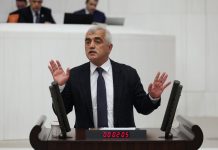
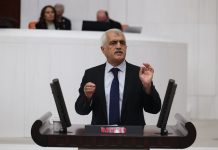
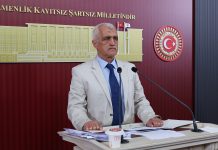
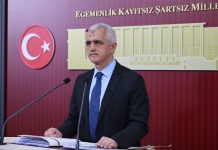
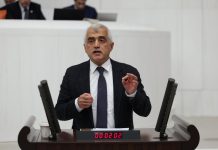
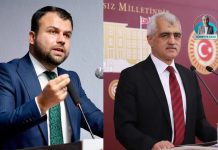
A Turkish opposition lawmaker barred from Azerbaijan after criticizing restrictions on headscarf-wearing students described the decision as a “diplomatic crisis” and urged Turkey’s parliament to intervene.
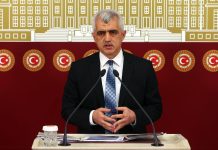
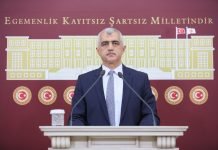
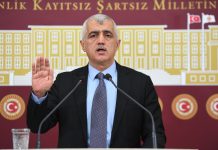
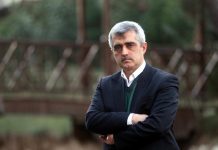
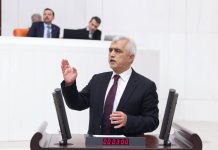
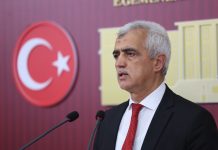
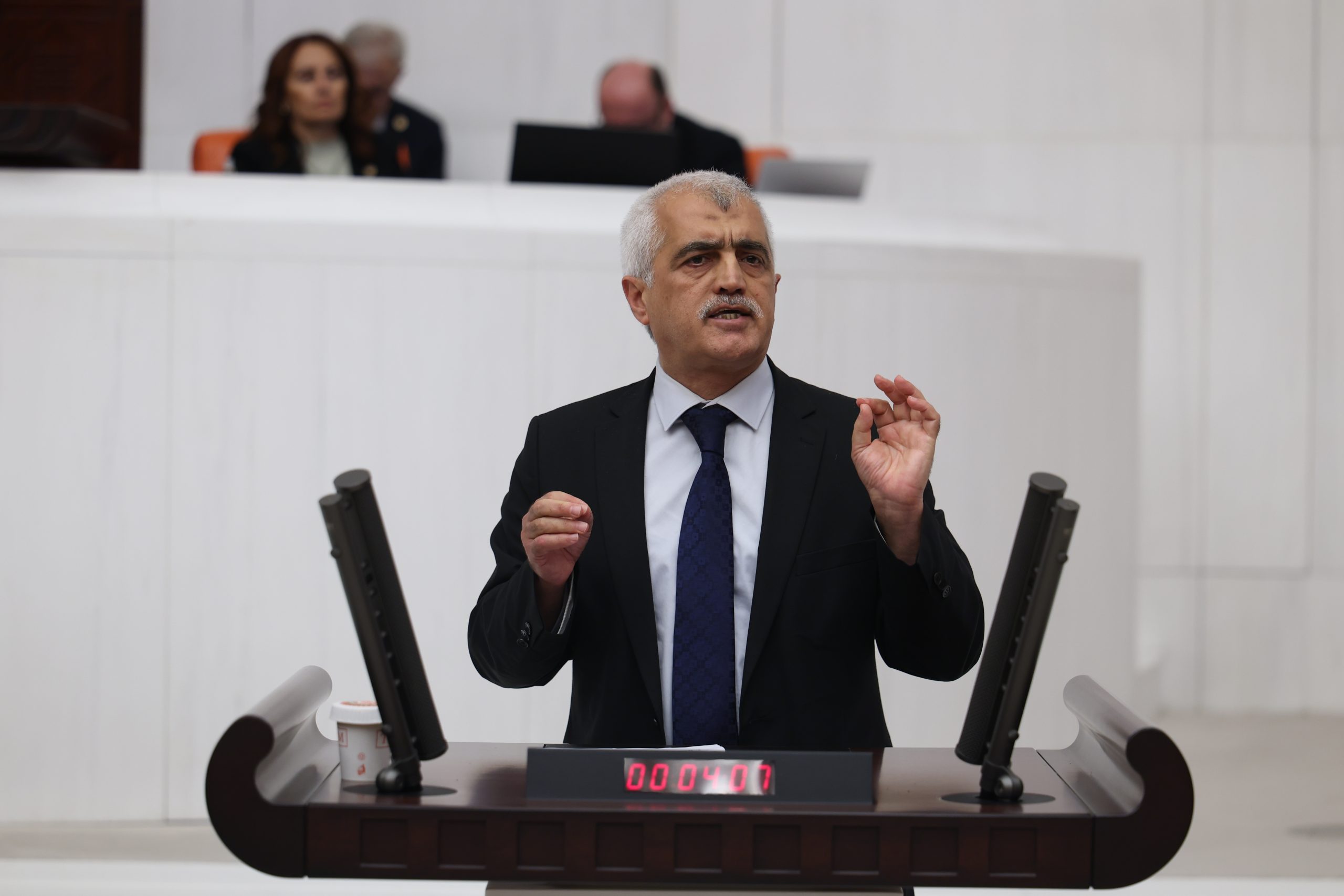
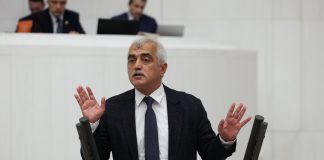
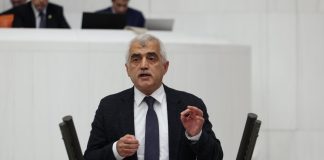
Ömer Faruk Gergerlioğlu, a lawmaker from the Peoples’ Equality and Democracy (DEM) Party and a human rights defender, told Turkey Unfolding on Oct. 21 that the ban could prevent him from carrying out his duties as a member of the Parliamentary Assembly of Turkic States (TURKPA).
“As a member of parliament and a member of the commission, I apparently won’t be able to attend a meeting in Azerbaijan now,” Gergerlioğlu said. “This is actually a diplomatic crisis. Parliament needs to intervene.”
Gergerlioğlu serves on TURKPA’s Commission on Education, Culture, Social and Humanitarian Affairs, a parliamentary body bringing together representatives from Turkic-speaking countries.
Azerbaijan‘s Foreign Ministry declared 31 Turkish citizens “undesirable persons” on Oct. 21, accusing them of making statements targeting the country’s sovereignty, national security, constitutional order, and leadership.
The ministry also cited incitement to religious hatred and calls for violence or the forcible overthrow of the government. It did not specify which accusations applied to each individual.
The restrictions followed mounting tensions between Ankara and Baku over reports that girls wearing Islamic headscarves were being denied entry to schools in Azerbaijan.
Azerbaijan introduced new school dress regulations in September that require compliance with prescribed uniforms and secular education principles. Although the regulations do not explicitly ban headscarves, their enforcement has triggered protests and criticism from Turkish politicians.
Gergerlioğlu recounts confrontation over Israel oil trade
Gergerlioğlu said his criticism of Azerbaijani President Ilham Aliyev’s administration began well before the latest controversy.
He recalled challenging Azerbaijan’s relations with Israel during a TURKPA parliamentary meeting hosted by Azerbaijan in May 2025, particularly Aliyev’s government’s position that Israel was a friend and that bilateral oil trade and cooperation would continue.
“Of course, because it is a totalitarian country, criticism from a member of parliament caused an uproar,” he told Turkey Unfolding.
“Everyone calls Aliyev the great leader. Nobody simply says Aliyev. They begin with ‘Great Leader Aliyev.’ And in such a place, I criticized him.”
Gergerlioğlu said he condemned Azerbaijan’s continued oil exports to Israel amid the genocide in Gaza.
“Israel is committing genocide, and you continue this trade. Oil flows to Israel through the Baku-Tbilisi-Ceyhan pipeline, and in quite large quantities. Most importantly, it is Azerbaijani oil,” he said.
He also criticized lawmakers from Turkey’s ruling Justice and Development Party (AKP) who were sitting beside him during the meeting.
“I criticized them too, because they are partners in this,” he said.
The exchange sparked a diplomatic dispute and a heated argument, according to Gergerlioğlu, who said he was subsequently branded with accusations similar to those used by Turkish nationalists against critics they describe as “enemies of the Turks.”
Headscarf dispute sparks another confrontation
Gergerlioğlu said he raised Azerbaijan’s treatment of headscarf-wearing students during another TURKPA meeting held over Zoom approximately two weeks before the entry ban.
The meeting concerned education and human rights, making it impossible, in his view, to avoid discussing the restrictions.
“I said, ‘At a meeting on this subject, it is impossible not to criticize the headscarf ban in your country. I’m sorry, but you are doing something wrong,’” he recalled.
He said Azerbaijani participants rejected his criticism, insisting that the country had no headscarf ban.
“They said, ‘We don’t have a headscarf ban in our country. We enforce a uniform policy. Anyone who doesn’t wear the uniform is removed from school.’ I couldn’t believe my ears.”
Gergerlioğlu compared the policy to restrictions on Islamic headscarves in Turkey decades earlier.
“We are experiencing exactly what Turkey went through 37 years ago. A ridiculous headscarf ban was imposed, and you can see what Turkish politics has become today,” he said.
He stressed that such restrictions contributed to political polarization and encouraged people to embrace identity-based divisions rather than universal rights.
Gergerlioğlu also pointed to his criticism of compulsory veiling in Iran, arguing that his position was based on freedom rather than religious identity.
“I also criticized the ban on women uncovering their heads in Iran,” he said. “We speak out against rights violations wherever they occur, whether in Iran or Azerbaijan.”
“Azerbaijan is moving backward instead of forward. They are competing with Turkey in this regard. At least the headscarf ban was lifted here. They are trying to introduce this ban by moving backward in history rather than forward.”
He said his social media criticism of Azerbaijan’s restrictions intensified in recent weeks and suggested that Azerbaijani authorities were monitoring both his posts and his remarks during parliamentary meetings.
“My social media posts reach thousands of people, and of course this disturbs the Aliyev administration,” he said.
Criticism aimed at Aliyev, not Azerbaijani people
Gergerlioğlu emphasized that his opposition was directed at Azerbaijan’s government rather than its population.
“My criticism here is of the Aliyev administration. We are friends and brothers with the Azerbaijani people. Aliyev oppresses his people. It is a repressive, authoritarian administration,” he said.
He noted that the country’s democratic problems extended far beyond restrictions on religious clothing.
“It’s not just women wearing headscarves. Many people defending democracy and human rights have left Azerbaijan,” he said.
“There’s no election in the sense that we understand elections. Aliyev and his associates, who appear to be opposition figures, run against each other. It’s very interesting. And we go there to observe elections.”
Gergerlioğlu said that a country presented as one of Turkey’s closest allies should not be shielded from criticism of human rights violations.
“Of course we will criticize them. They say ‘one nation, two states.’ They say there are close relations. But wherever there is a human rights violation, we say it is wrong.”
Former Turkish PM defended Azerbaijan against interference
Earlier, the controversy also drew a response from former Turkish Prime Minister Binali Yıldırım, who chairs the Council of Elders of the Organization of Turkic States.
In an interview with Azerbaijani journalist Ali Valiyev on Oct. 16, Yıldırım defended Azerbaijan’s sovereignty and rejected interference in its domestic affairs.
“Who has the right to interfere in Azerbaijan’s internal affairs? We absolutely will not accept such a thing. We will punish anyone who attempts or undertakes it in the most severe way,” Yıldırım said.
“Azerbaijan is an independent state. It makes its own decisions. Our responsibility is to show those decisions the necessary respect,” he added.
Gergerlioğlu sharply criticized that position, accusing Turkey’s political leadership of prioritizing economic interests over rights and freedoms.
“They cannot say anything to the Aliyev administration because of oil. They receive $1.27 per barrel in commissions from the Baku-Tbilisi-Ceyhan pipeline,” he said.
“Binali Yıldırım said, ‘Who are we to criticize?’”
Gergerlioğlu accused Turkish officials of remaining silent about Azerbaijan’s decisions because of the two countries’ economic and political ties.
“For them, what matters is not the headscarf, but their interests, their money, and their power,” he said.
He predicted that the Turkish government would continue its alliance with Aliyev despite what he described as the Azerbaijani leader’s authoritarian and undemocratic rule.
The latest restrictions came two days after Azerbaijan’s Prosecutor General’s Office announced criminal charges and international wanted notices against seven other people based in Turkey, accusing them of calling for the violent overthrow of the Azerbaijani government and inciting religious hatred.
Those proceedings are separate from the Oct. 21 entry bans.



Yorumlar